
A photographer's guide to Barcelona
I’ve explored Barcelona with a camera in great detail and here are five things I’ve learned that you need to know to capture your best images of this amazing city
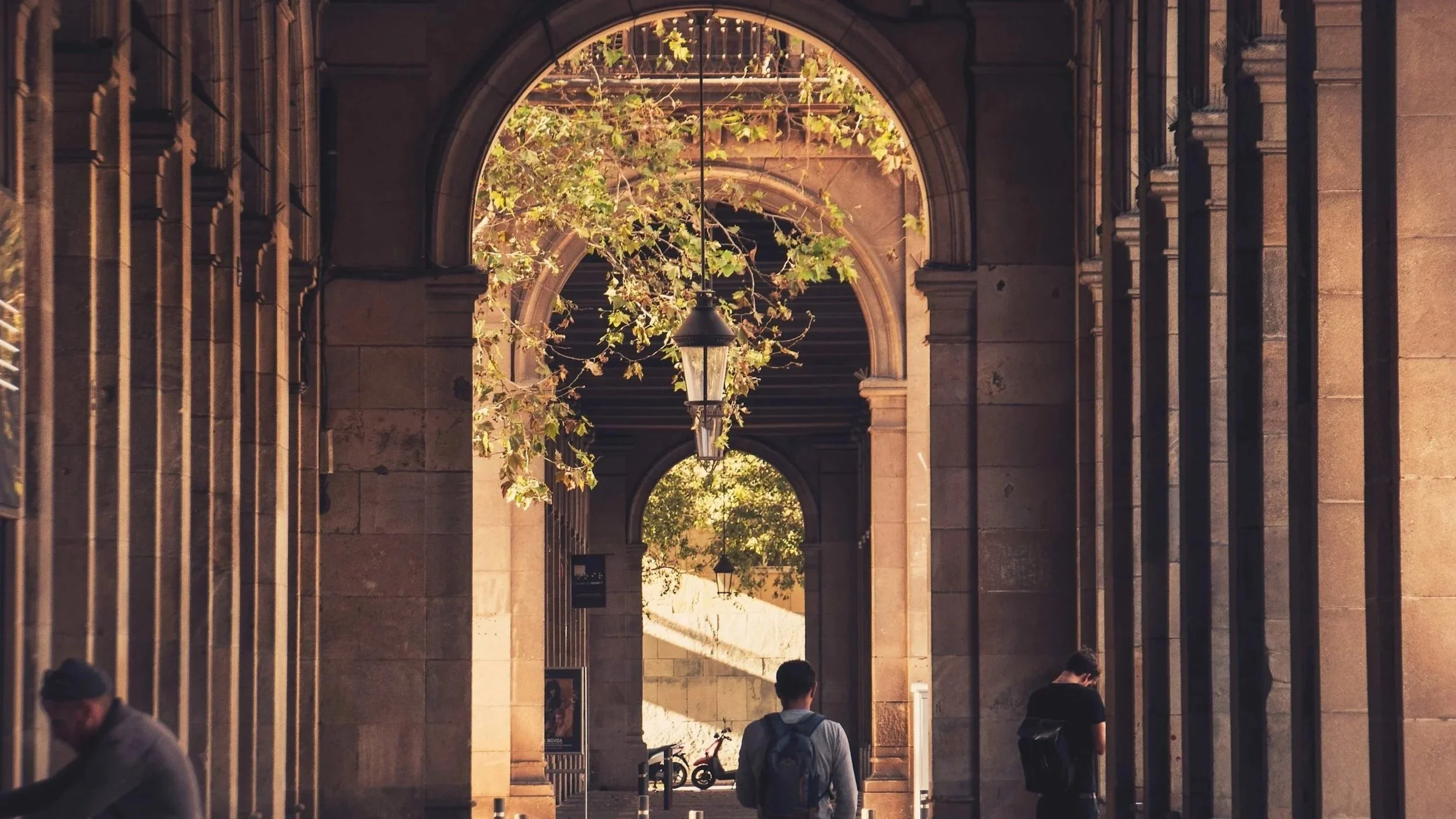
I wasn’t sure what to expect when I first visited Barcelona, photographically at least. I knew people went there for beach holidays and Tapas, but I was blindly uneducated about the diversity of photo opportunities the city provides.
Within a few moments of arriving at Passeig de Gracia rail station, tucked away under the titular street, I knew a single visit was going to be nowhere near enough to capture the heart and soul of the place. What is most alarming is the stark contrasts in the architecture between the old and new towns. The differences in texture, colour, and detail are quite unlike anywhere else I’ve been. It was only a matter of time before I led a photography tour to Barcelona, so in celebration of “The City by the Beach”, here is my list of top tips for properly capturing the atmosphere of this Catalonian marvel.
1- Let texture lead exposure
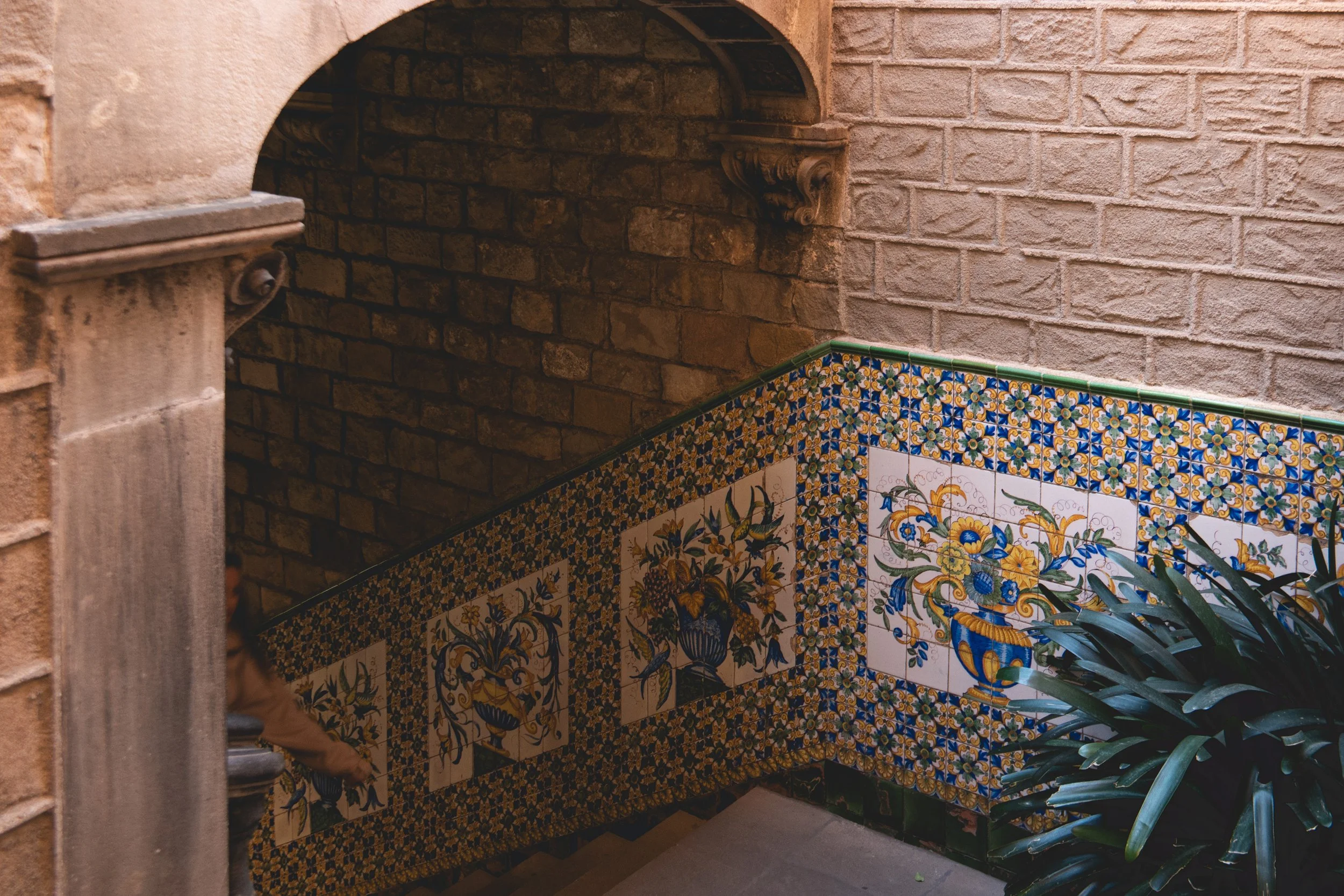
Barcelona belongs to Antoni Gaudí. The renowned architect crafted the new city in such a unique style that it almost feels as if it was grown rather than built. Of course, that was the point; Gaudí was fascinated by natural forms and this is woven into the fabric of his buildings.
This is in complete contrast to the Gothic Old Town – known as Barri Gòtic – which at times looks more like a Hollywood film set for a story about the Crusades. As photographers, we have to be sensitive to these differences and reflect them in our choice of exposure. The Art Nouveau structures are smooth, both in texture and shape, so they lend themselves more readily to high-key minimalist shots. Meanwhile, the rough textures of Barri Gòtic suit a more subdued exposure, making the most of the saturated yellows, reds, and earthy browns.
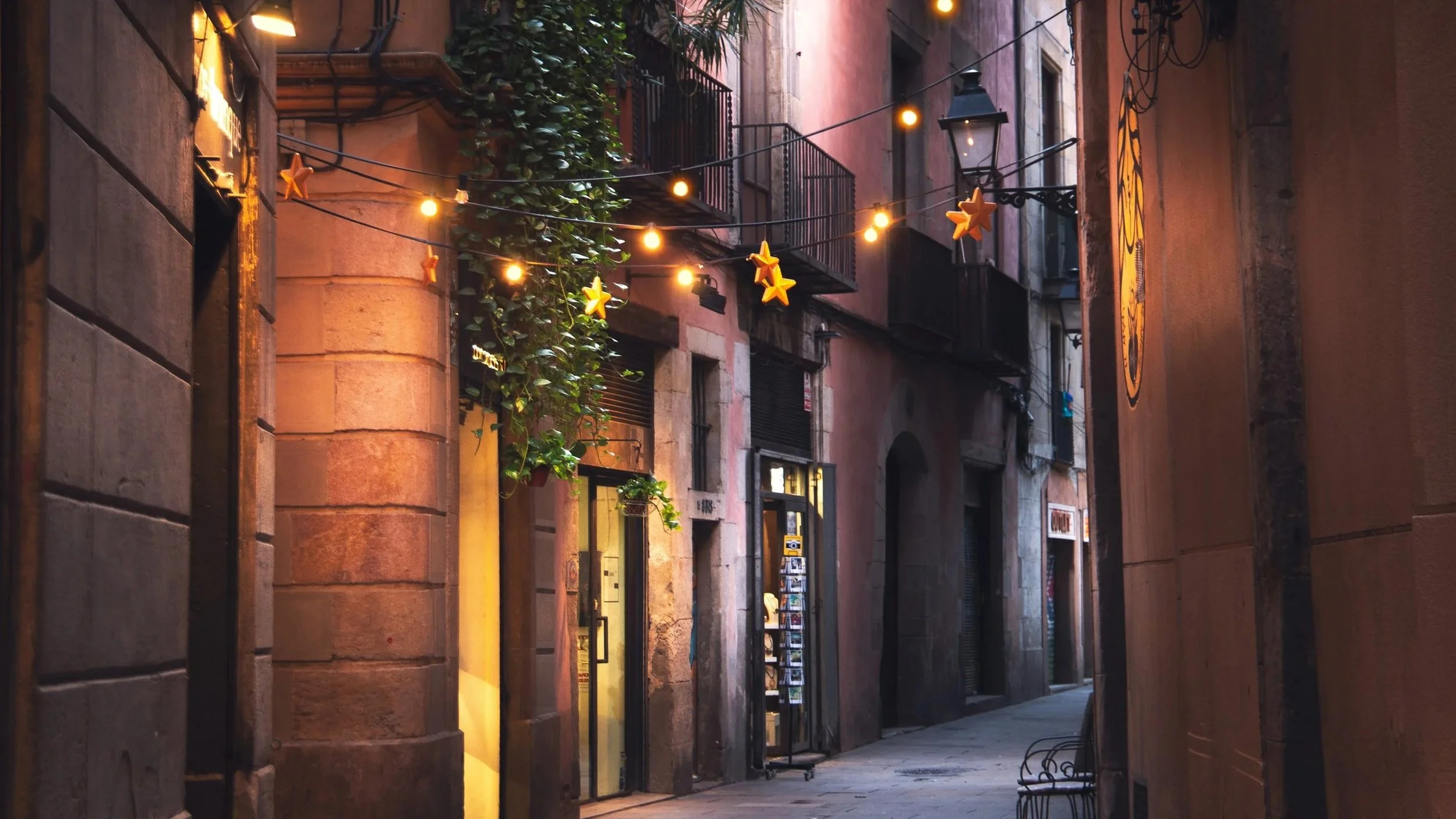
Similar to the best photo spots in Malta, which also have medieval overtones, I also find it better to use a longer lens on these older, detail-rich facades. Cramming too much in creates a composition that becomes quickly overpowering, as each zone of the photo fights for your attention.
For the newer buildings, let the details breathe by showing more of the surrounding buildings, or using a wider focal length to stretch perspective. For the Old Town, edge on the side of caution and reduce the detail down through tighter framing and deeper shadows.
2- Be careful with context
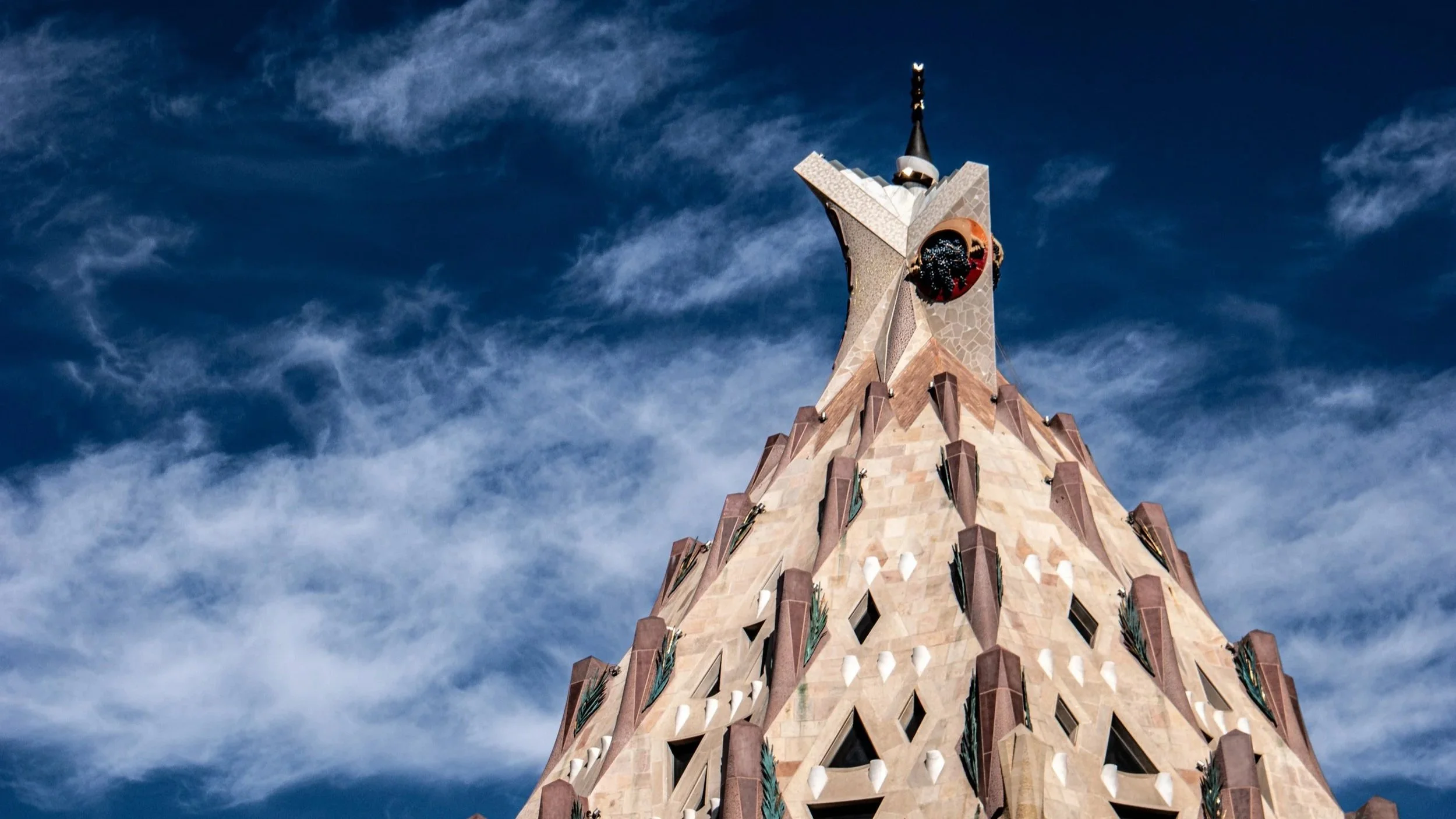
Many of Gaudí’s most famous creations, such as the Sagrada Familia and Casa Batlló, are basically artworks in themselves. This makes capturing a photo that feels fresh trickier. While brutalist structures in other urban spaces like London, Berlin, or modern Rome call for the entirety of the building to be shown, this can lead to surprisingly underwhelming shots in Barcelona. Gaudí has already done the work, so trying to capture the whole building feels a bit like plagiarism.
Instead, have fun picking out individual elements for abstract studies, using a focal length between 50mm and 200mm. If you want to show more of the surrounding details, take a step back instead of zooming out, as it keeps the perspective compressed and gives the illusion of his biological designs growing out of the urban space.
Look for arcs and lines
This is where a Barcelona photography tour really lets you get creative. It brings together elements we often have to invest a lot of time seeking out; the contrast of curved and straight edges.
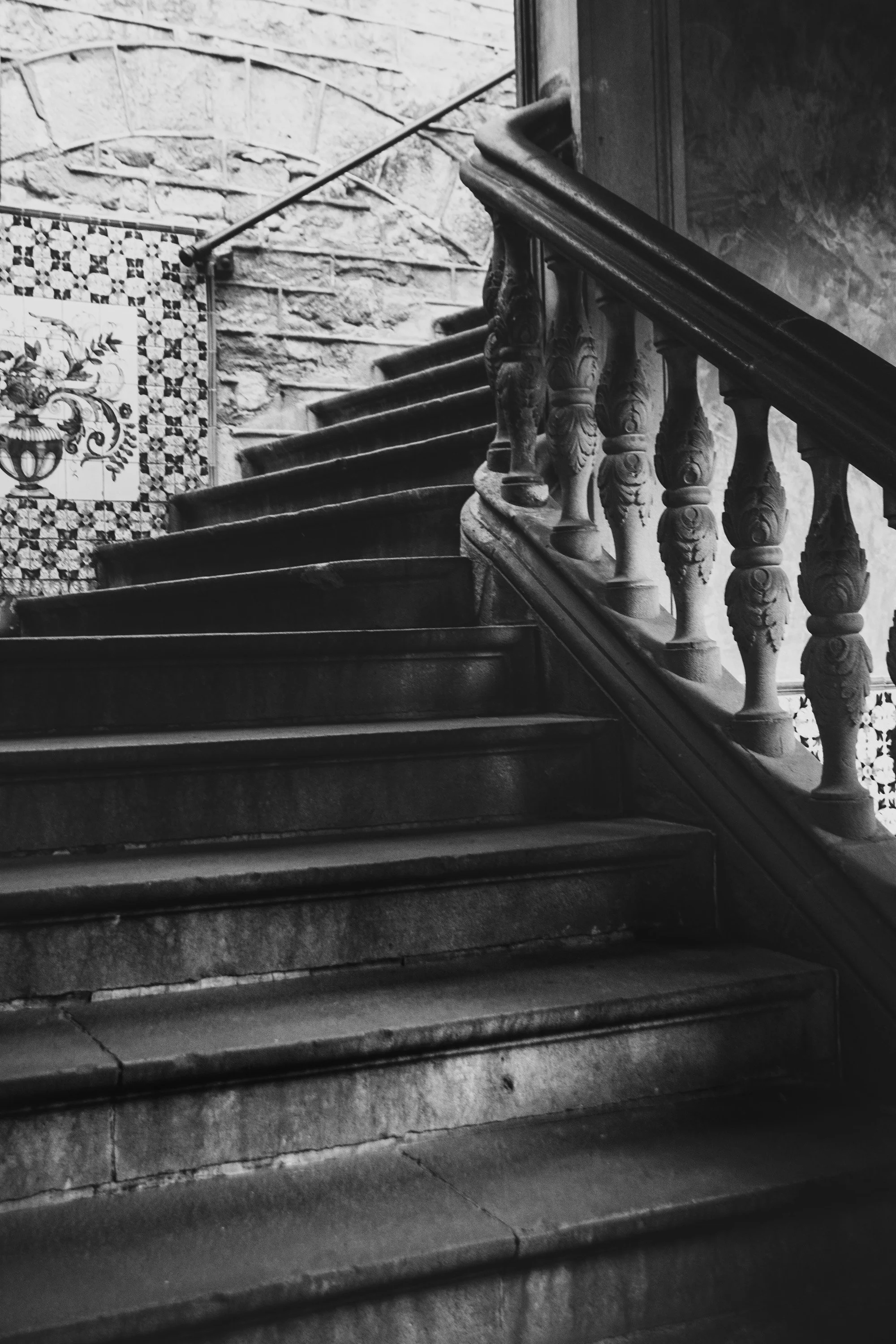
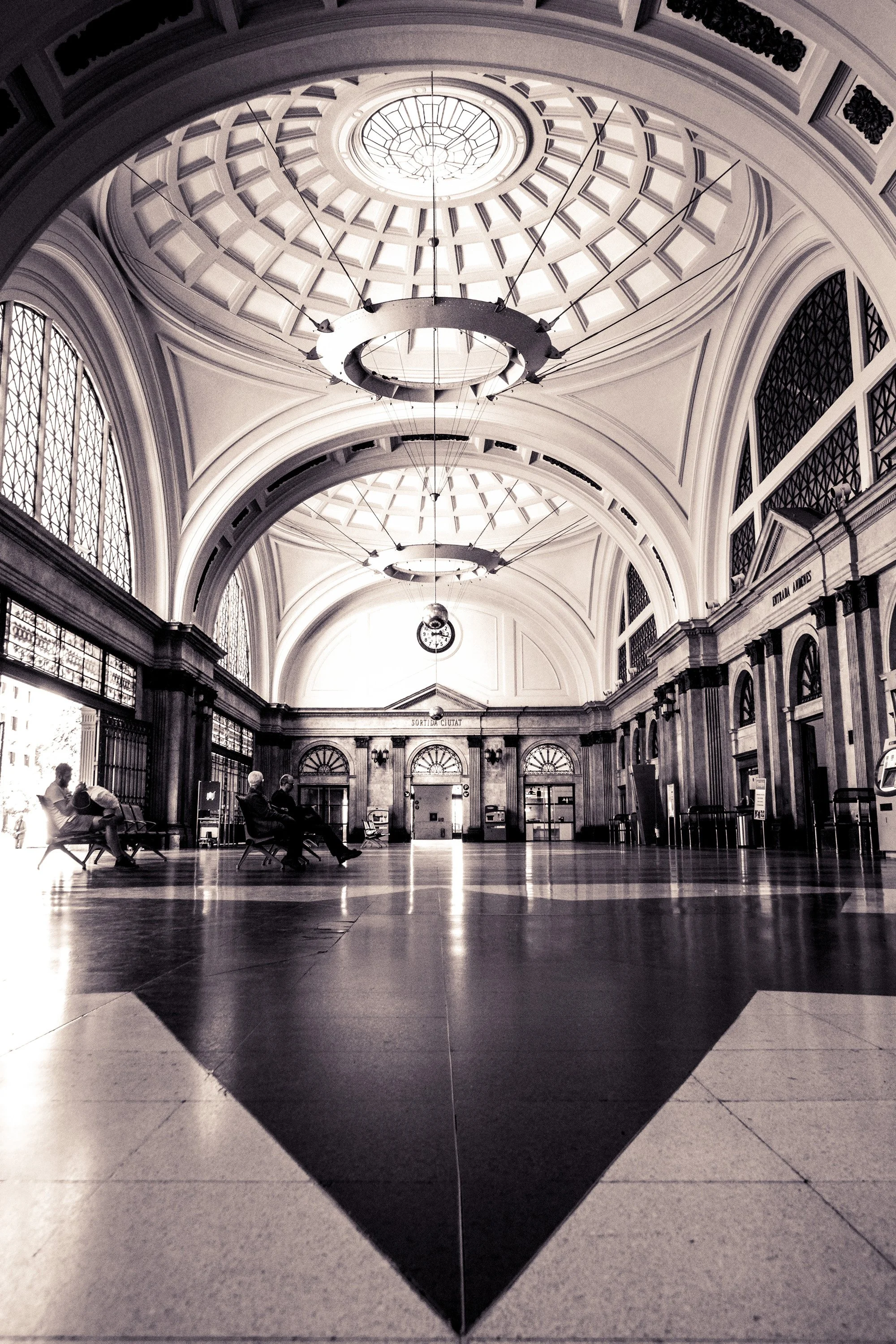
There are arcs and lines everywhere in Barcelona, in both the old and new areas, which is an interesting level of continuity. The gothic arched windows of the Basílica de Santa Maria del Mar contrast beautifully against the straight supporting columns holding up the vaulted ceiling. The arches of the older structures around Port Vell jump out against the tighter geographic lines of the new glass building down by the water. Even the Estació de França train station collides graphic floor tiles and a curved ceiling.
4- Look up!
Barcelona is a city where the main event often happens at an elevation. The most ornate elements of Sagrada Familia can be found towards the top of the iconic spires, floral facade decorations line the upper stories of residential buildings and the balconies, surely one of the city’s best features, could be missed entirely if you didn’t cast your eyes upwards from time to time.
5- Check your metering mode
Whenever you encounter a city where there is a broad mix of new and old textures, keep an eye on how the different surfaces impact exposure measurement. Newer buildings are often far more reflective, sending a lot more light back towards the camera than older brick and stone structures, which absorb more illumination.
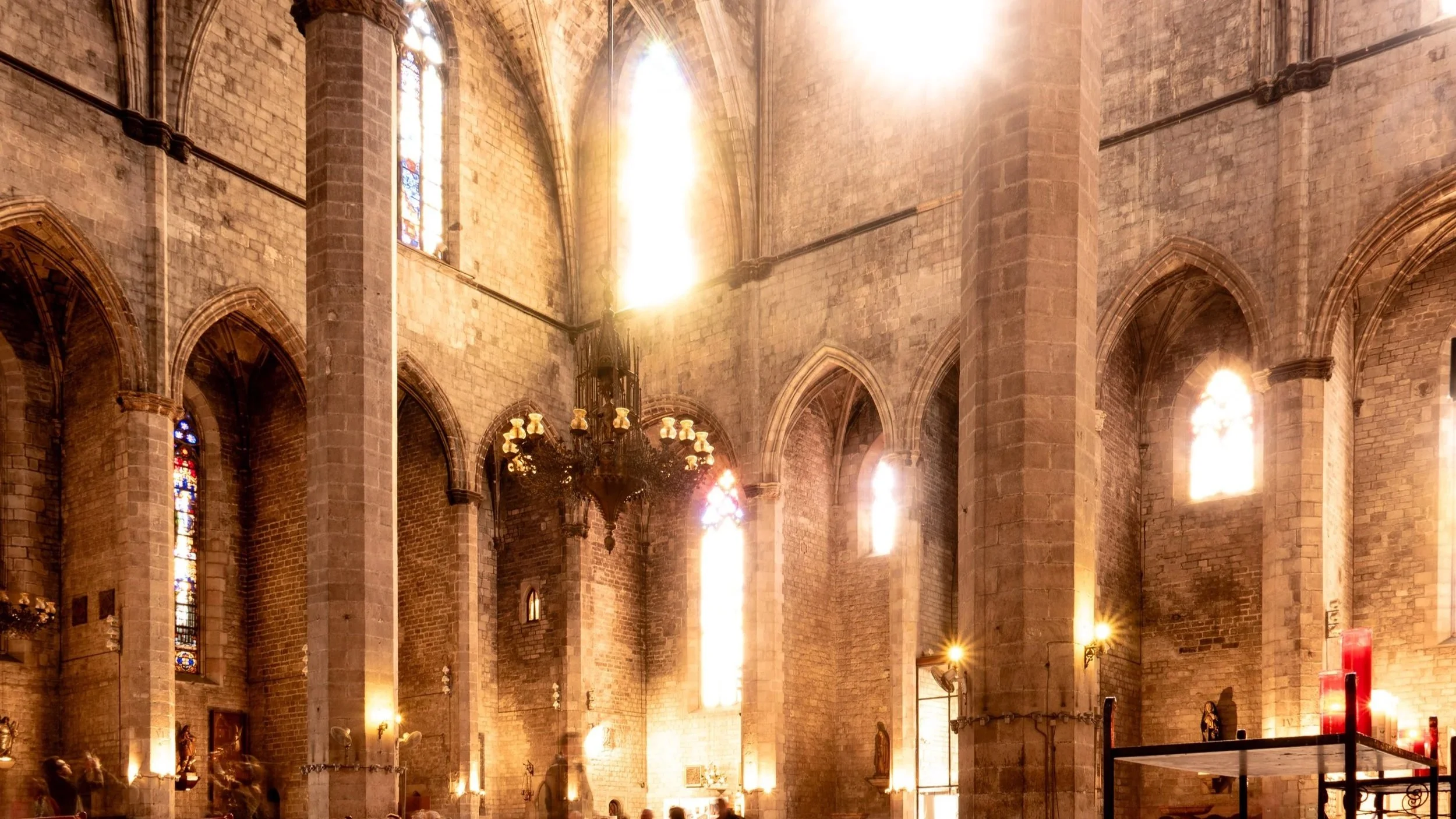
Old stone absorbs far more light than newer glass structures
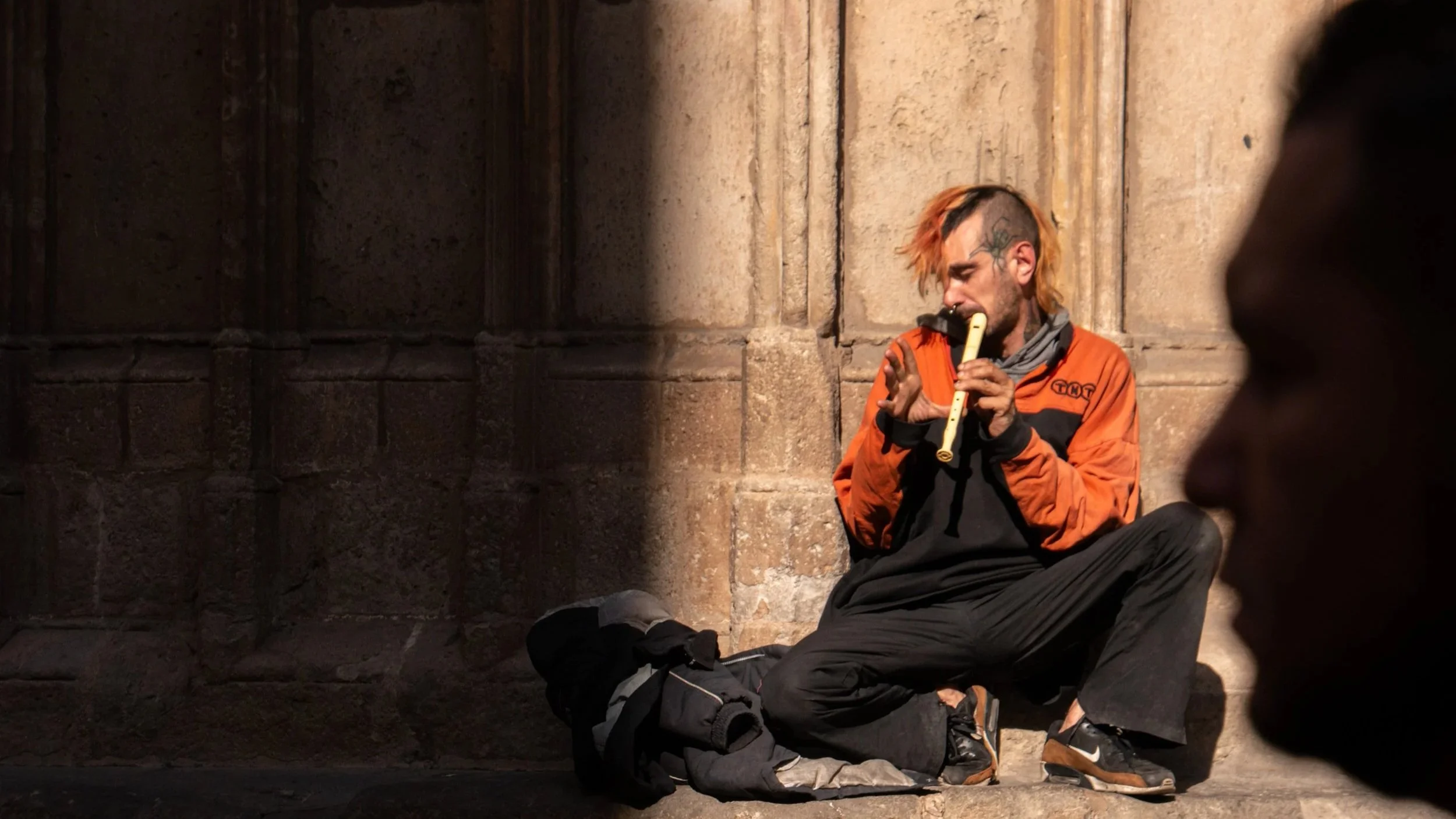
Spot Metering Mode allows you to control exposure ‘hotspots’
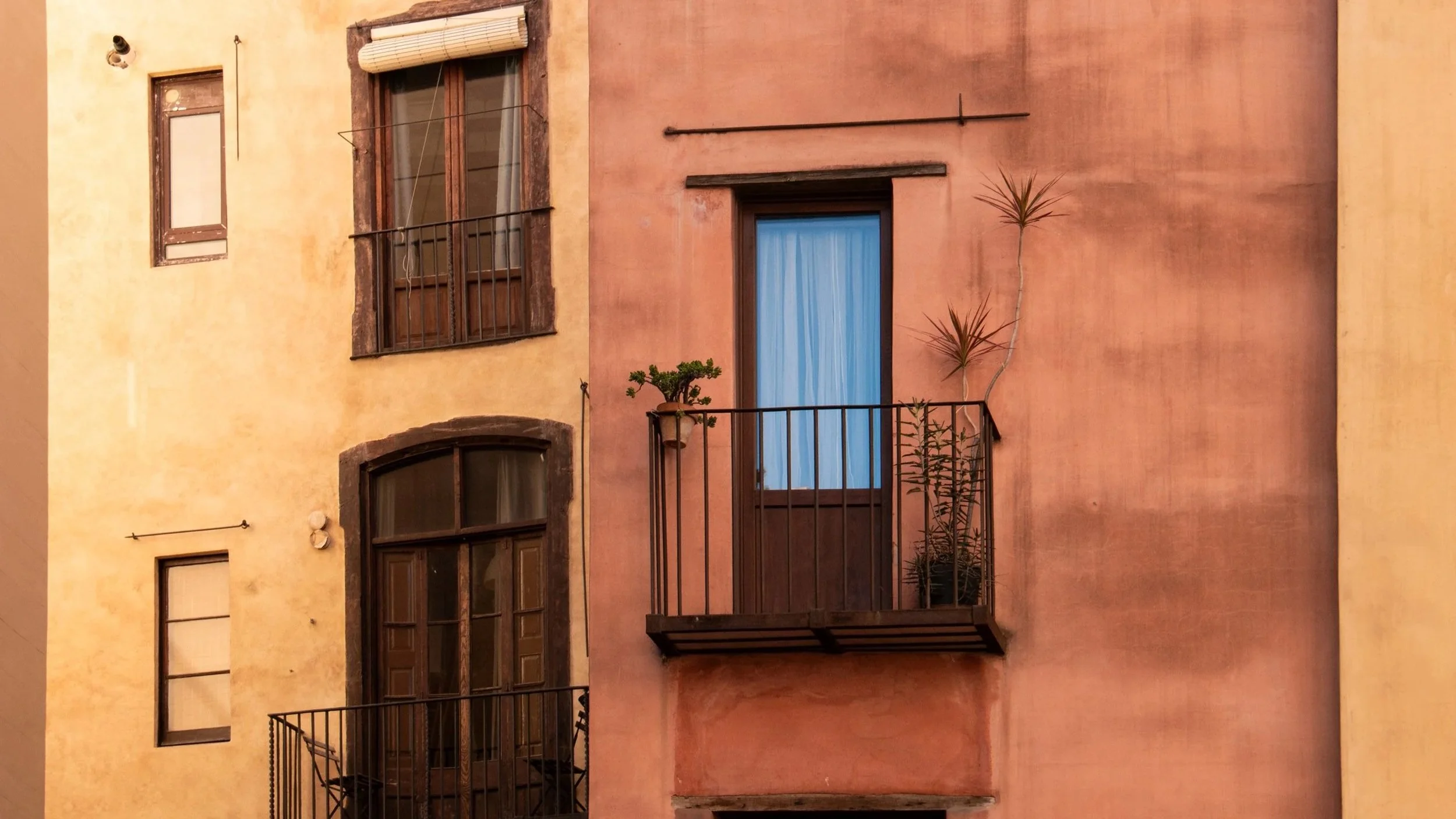
Colorful buildings require careful exposure work to accurately render the color itself
For the latter, evaluative (or matrix) metering is a good choice, since the stone surfaces are likely going to be closer to a midtone. This is a great ‘everyday’ walkabout metering mode that will keep your camera ready for a broad mix of street and architecture subjects and those older structures are less likely to confuse it.
Conversely, for glass buildings, try partial or spot metering. These will ready your camera for light hotspots, where the sun or another light source is reflected in the glossy surface, and which will likely burn out highlight detail to pure white. Although you’ll have to be careful for underexposure when this happens, where clipped highlights are a possibility it’s better to prevent losing irretrievable detail.
If you want to join me in Barcelona, my City by the Beach tour runs from 09th - 12th March, 2027. Head to the page on the Light & Land website to find out more, or drop me a message.
Check out all of my available tours today!